
Pharmacology

Pharmacology encompasses a wide range of scientific disciplines that are essential for the discovery and development of new medications and cures. The field of drug discovery and design focuses on the creation and synthesis of novel pharmaceutical compounds. Medicinal chemistry, combinatorial chemistry, structural biology, the identification of biological targets, and assay development for testing drug […]
Nanotechnology
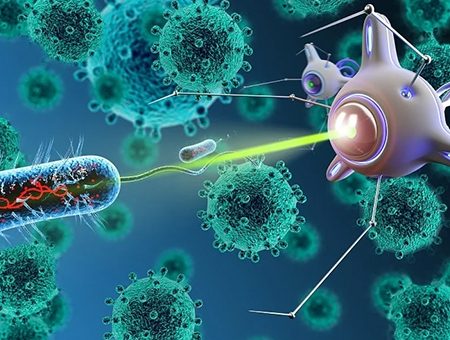
The goal of nanotechnology is to create novel structures, materials, and gadgets by controlling matter on an atomic scale. Medical, consumer goods, energy, materials, and industrial sectors are just some that stand to benefit from this technology. Man-made nanoscale structures, gadgets, and systems are what the term “nanotechnology” describes. We have a scientific team of […]
Rheumatology

Rheumatology is the medical specialty concerned with the diagnosis, treatment, and prevention of conditions affecting the musculoskeletal system, particularly the joints. In the 20th century, rheumatology established itself as a distinct medical subspecialty. Arthritis is the most prevalent rheumatic disorder. Most rheumatic diseases are treated with analgesics, nonsteroidal anti-inflammatory drugs (NSAIDs), steroids (in serious cases), […]
Radiology
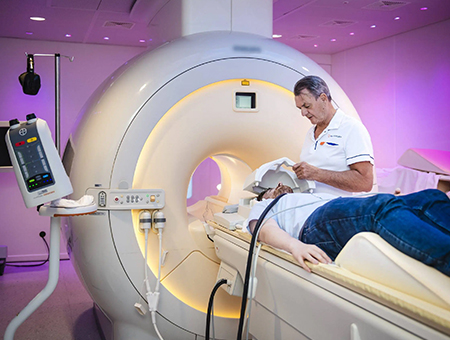
The medical specialty of radiology makes use of imaging techniques for both diagnostic and therapeutic purposes. There are two main branches of radiology: diagnostics and interventions. Different imaging modalities provide radiologists with distinct sets of information about patient health. X-ray, CT, MRI, ultrasound, and PET are the five most often used modalities for our numerous […]
Neurology

The words “neuron,” meaning “nerve,” and “logia,” meaning “the study of,” combine to form the word “neurology.” Diseases of the nervous system are the focus of neurology, a medical specialty. The nervous system controls and directs the body’s functions and is, therefore, a highly complicated and sophisticated mechanism. Disorders and diseases of the nervous system […]
Psychology

The field of study known as “psychology” is concerned with the mental and emotional processes that underlie and influence human behavior. Cognitive psychology, for example, differs from forensic, social, and developmental psychology. The field of psychology aims to do four major things: describe, explain, predict, and alter people’s actions and thoughts. We have experts to […]
Biotechnology
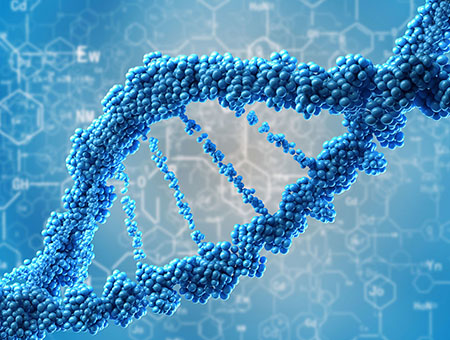
Biotechnology is the field of science in which scientists develop new technologies by modifying biological systems. Researchers in this field investigate potential industrial uses for cells and tissues by studying their structure, composition, and function at the molecular, cellular, and organelle levels. Our experts are here to help with your writing, editing, and reviewing of […]
Microbiology

Bacteria, viruses, algae, fungi, slime molds, and protozoa are just some of the microbes that microbiologists research. These microorganisms are crucial in a wide variety of processes, including the nutrient cycle, biodegradation and biodeterioration, climate change, food spoilage, disease causation and control, and biotechnology. Microbiologists are welcome to collaborate with us, and we are glad […]
Life-Sciences

The life sciences are a group of scientific disciplines that examine living organisms such as plants, animals, and humans. The technological developments accompanied by new scientific approaches and positions make the daily practices in the laboratories of the life sciences radically different from life science practices before these developments. New organizations of scientific work emerge […]